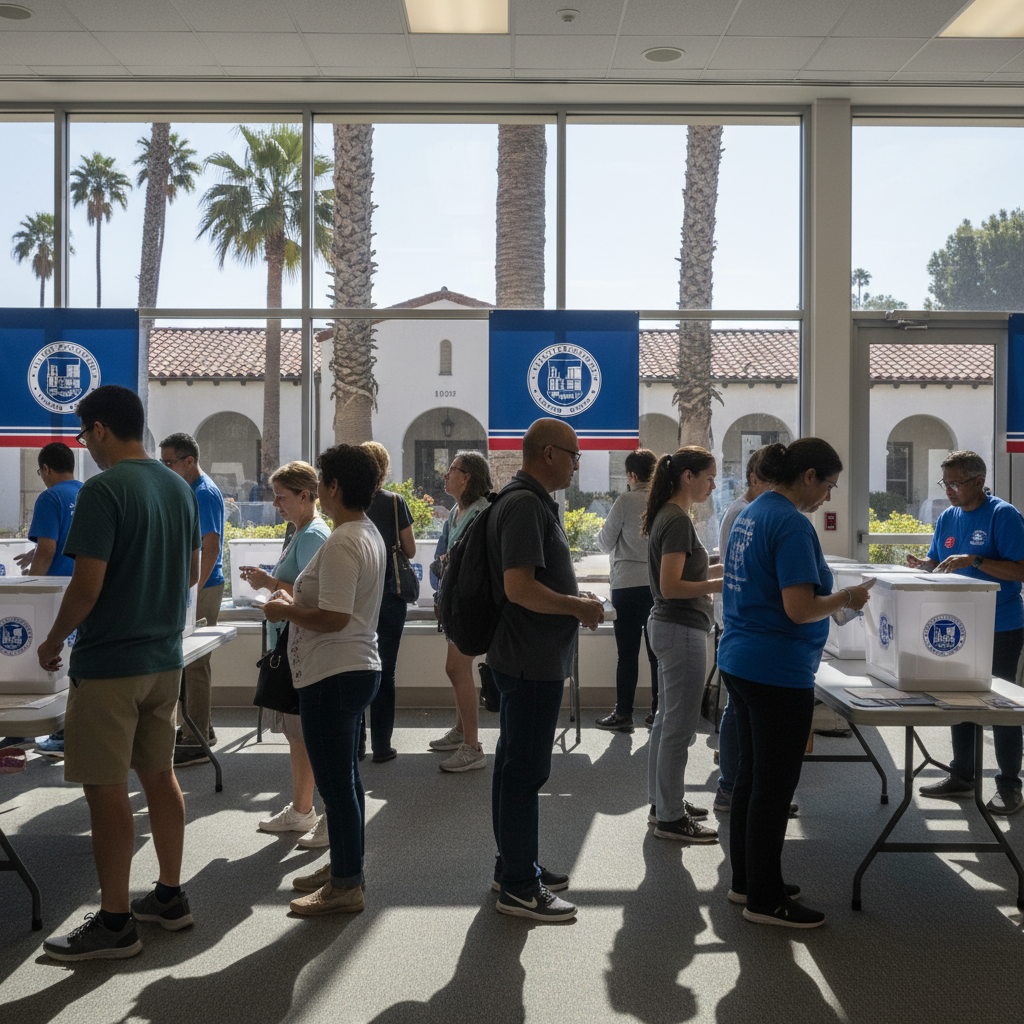
As the midterm electoral season approaches, Los Angeles residents are preparing to cast their ballots in the June 2 primary, a crucial election that will determine the direction of some of the most powerful political offices in the region. Voters will have their say on a number of key races, including the L.A. County Sheriff, the mayor of Los Angeles, several City Council seats, and positions on the Los Angeles Unified School District (LAUSD) Board of Education.
While midterm primaries often receive less attention than presidential contests, the outcome of these local races will have a direct and lasting impact on the daily lives of millions of Angelenos, influencing everything from public safety and housing policy to the quality of public education and the management of the city's sprawling infrastructure.
The elections come at a pivotal moment for Southern California, as the region grapples with complex challenges such as homelessness, public health, and economic recovery. The leaders chosen in this primary will be tasked with navigating these issues and charting a course for the future of one of North America's most dynamic and diverse metropolitan areas.
A referendum on law enforcement
The race for L.A. County Sheriff is one of the most closely watched contests on the ballot. The head of the Los Angeles County Sheriff's Department leads the largest sheriff's department in the United States, responsible for providing law enforcement services to unincorporated areas of the county, 42 contract cities, the county's vast park system, and its public transit network. The department also manages the county's jail system, one of the largest in the world.
This election is seen by many as a referendum on the future of law enforcement and criminal justice in the county. The sheriff's role is multifaceted, involving not only crime prevention and investigation but also the significant responsibility of inmate care and rehabilitation. The winner will inherit the task of addressing ongoing debates around police reform, transparency, and the department's relationship with the communities it serves. Given the department's immense size and budget, the sheriff's policies have far-reaching implications for public safety and civil rights across the county.
The race to lead City Hall
Another high-stakes race is for the position of Mayor of Los Angeles. As the chief executive of the second-largest city in the United States, the mayor holds significant power over the city's budget, municipal departments, and overall policy direction. The mayor appoints the heads of various city agencies, proposes an annual budget to the City Council, and serves as the city's primary representative on the local, national, and international stage.
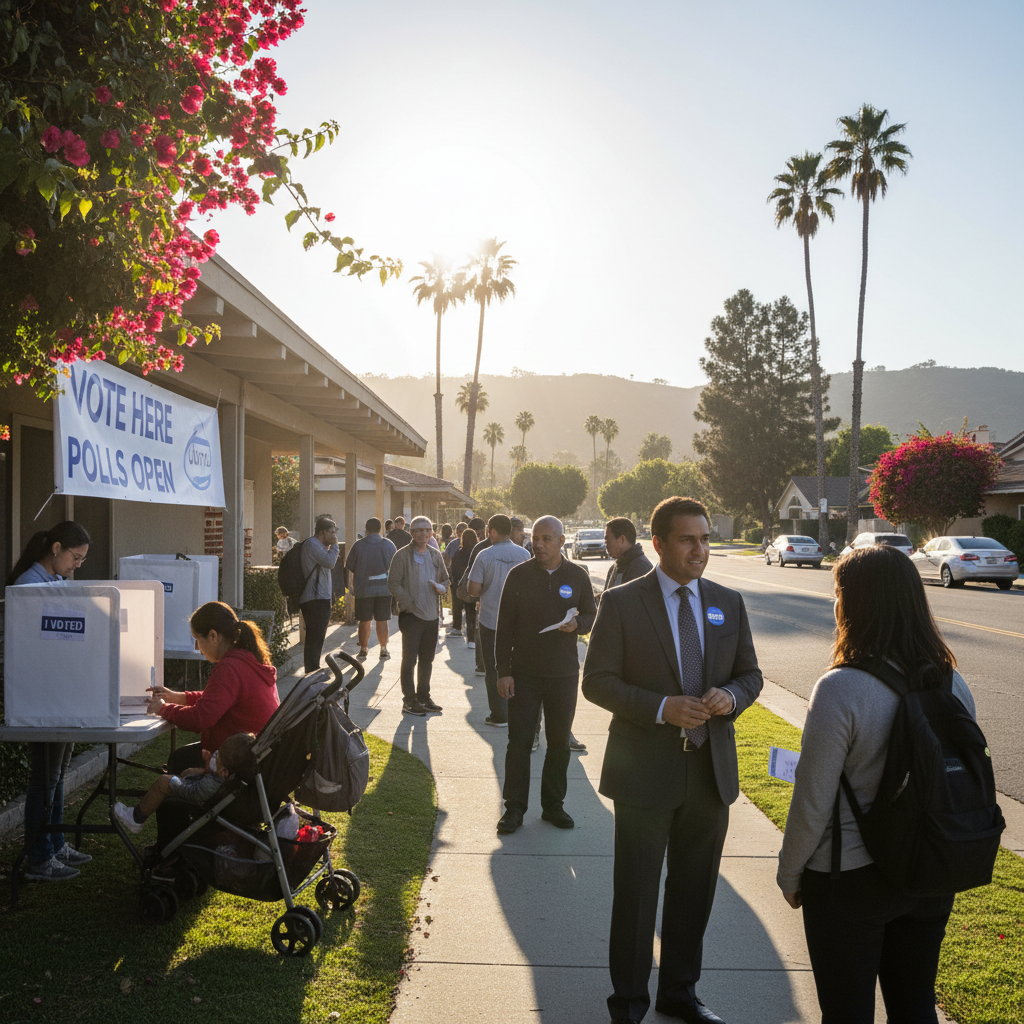
Candidates will be expected to present comprehensive plans for tackling the city's most pressing issues. The homelessness crisis remains a top concern for many voters, and potential mayors will need to articulate clear strategies for addressing the needs of the unhoused population. While neighbouring Orange County has seen some recent success, Los Angeles continues to struggle with the scale of the issue. Other key topics include public safety, economic development, traffic congestion, and the ever-present challenge of housing affordability.
The next mayor will also play a crucial role in preparing the city for major upcoming events, including the 2028 Olympic Games, which will require extensive planning and investment in infrastructure and public services.
Balance of power on the City Council
Voters will also decide on several seats for the Los Angeles City Council, the city's primary legislative body. The council is composed of 15 members, each representing a specific district. Together, they are responsible for passing city ordinances, approving the city budget, and making key decisions on land use and development projects.
The composition of the City Council is critical to the legislative process. The council can approve, amend, or reject the mayor's proposals, and its members often wield considerable influence within their respective districts. Elections in even a few districts can shift the council's ideological balance, affecting its approach to a wide range of policies, from tenant protections and business regulations to environmental initiatives and public works projects. These races determine who holds the power to shape the physical and social landscape of neighbourhoods across Los Angeles.
Shaping the future of education
The election for the LAUSD Board of Education will also be on the ballot. The board oversees the Los Angeles Unified School District, the second-largest public school district in the nation, serving a diverse student population. The board's seven members make critical decisions that impact hundreds of thousands of students and their families, and Los Angeles Unified celebrates student success as school year ends.
The board is responsible for appointing the superintendent, managing the district's multi-billion-dollar budget, and setting policies on everything from curriculum standards and graduation requirements to school safety and employee contracts. The decisions made by the board have a profound effect on the quality of education and the opportunities available to students, which in turn shapes the future workforce and the health of the community. Local institutions like Touro University rely on the public school system to prepare the next generation of professionals.
For any races where no candidate secures a majority of the vote in the June 2 primary, the top two vote-getters will advance to a runoff in the general election in November. Official information, including polling places and ballot details, can be found on the L.A. County Registrar-Recorder/County Clerk website.