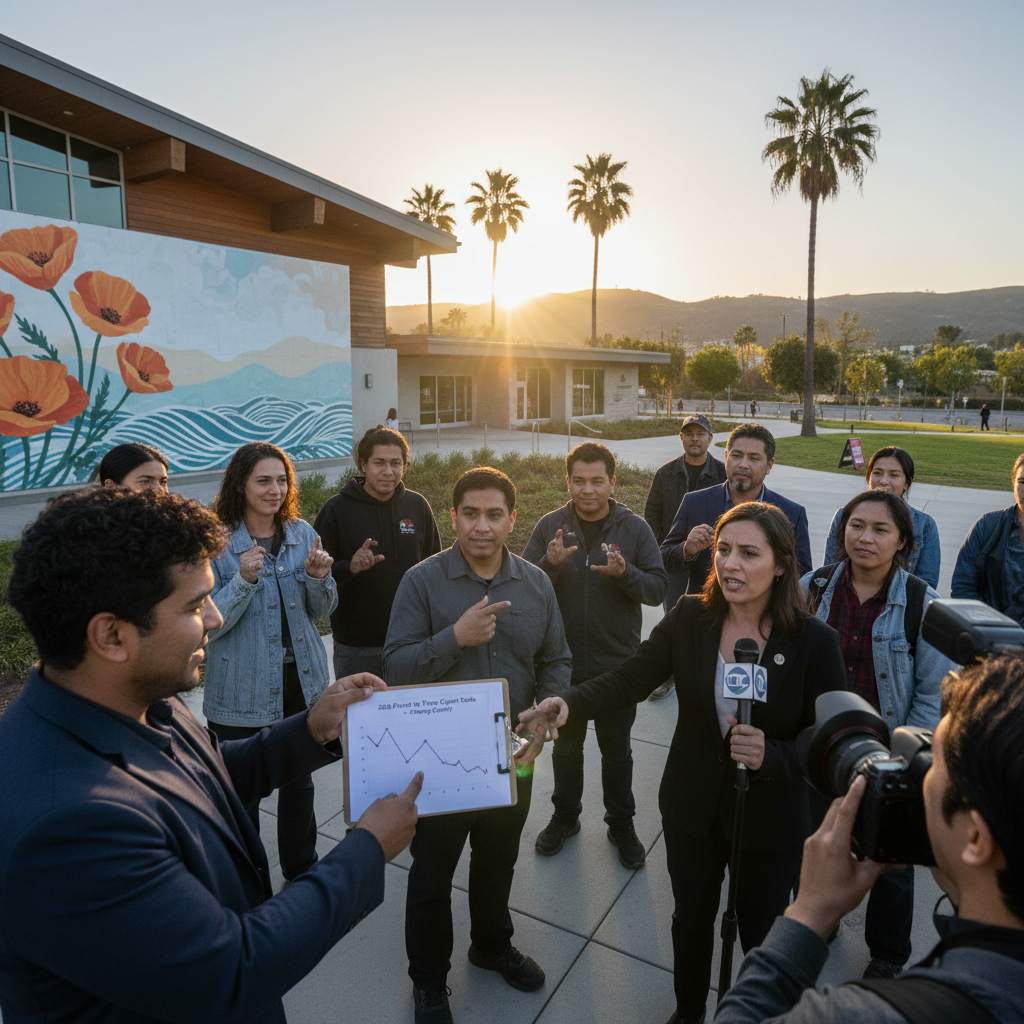
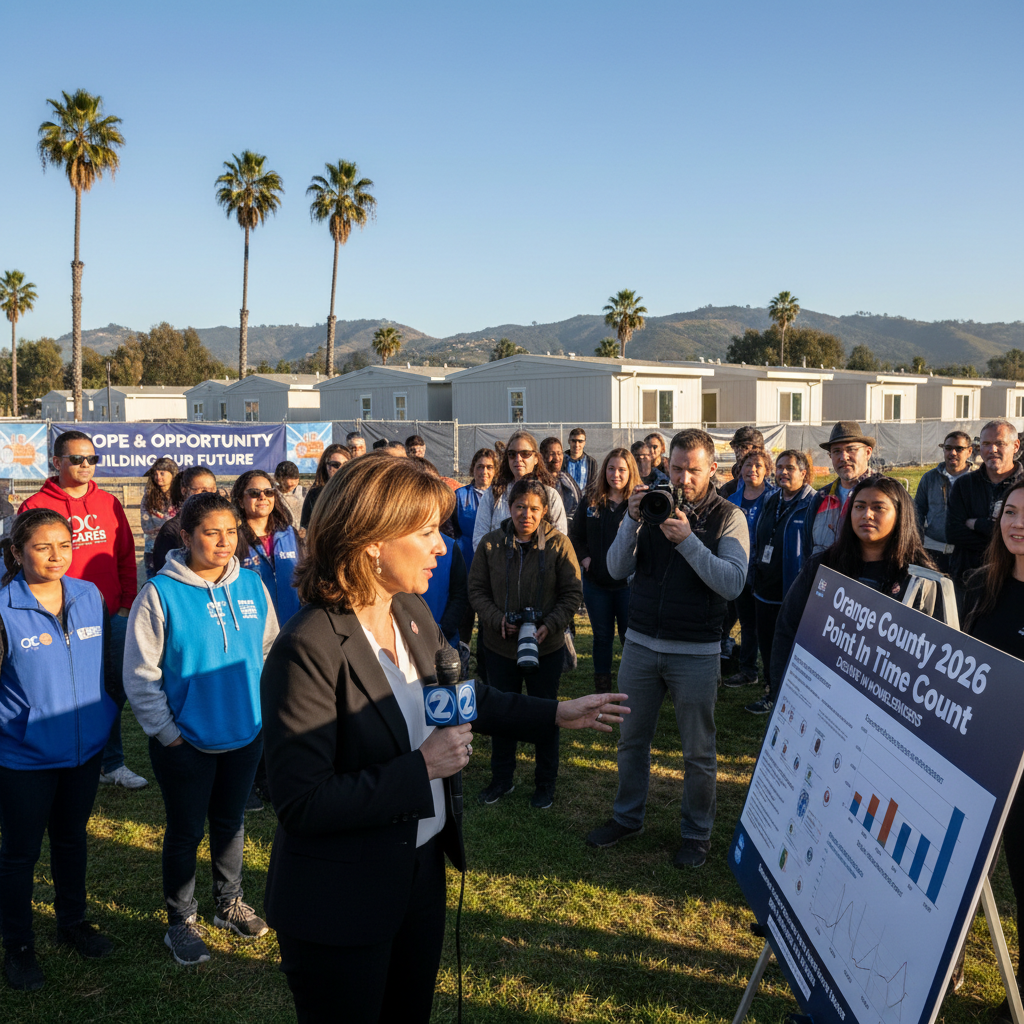
New data has revealed a noteworthy decline in both overall and unsheltered homelessness across Orange County, according to the results of the 2026 Point In Time (PIT) Count. The biennial survey provides a crucial snapshot of the region's homeless population, guiding the strategies of local organizations and public agencies. Orange County United Way will host a community chat on June 22 to delve into the report's findings and discuss the path forward.
The Point In Time Count is a federally mandated tally of individuals experiencing homelessness on a single night, providing essential data for understanding the scale and nature of the issue. The count includes people living in shelters, transitional housing, and unsheltered locations such as streets, parks, and vehicles. This year’s findings, while pointing to progress in reducing the number of people without a stable home, also highlight persistent challenges that require sustained and collaborative effort from the community.
These efforts are central to the mission of organizations like Orange County United Way, which has established a multi-pronged approach to tackling the complexities of homelessness. The data from the PIT Count is instrumental in refining these programs and ensuring resources are directed where they are most needed. By identifying trends over time, service providers can better respond to the evolving needs of the homeless population and advocate for effective, long-term solutions.
A united front against homelessness
At the forefront of the local response is Orange County United Way’s United to End Homelessness initiative. This program serves as a cornerstone of the county's strategy, focusing on providing permanent housing and supportive services. A key component of this initiative is the WelcomeHomeOC program, which works to house individuals and families who have experienced chronic homelessness. The program partners with property owners to secure housing units, offering incentives and support to both landlords and tenants to ensure successful, long-term placements.
Beyond providing immediate housing, the initiative engages in extensive housing advocacy, championing policies and development projects that increase the availability of affordable and supportive housing throughout the county. This work is complemented by public awareness campaigns designed to educate the community about the root causes of homelessness and foster compassionate, solutions-oriented conversations. In a county facing a significant housing affordability crisis, this advocacy is more critical than ever.
Efforts to keep residents housed are also a major focus. The organization directly tackles one of the primary drivers of homelessness through its eviction prevention services. By providing financial assistance and connecting tenants with legal resources, these services offer a vital lifeline to families on the brink of losing their homes, preventing the trauma and instability of homelessness before it begins.
Building financial stability
Recognizing that homelessness is often a symptom of broader financial instability, Orange County United Way also dedicates significant resources to empowering families to build secure financial futures. The United for Financial Security program offers a suite of services aimed at improving economic self-sufficiency for low-income residents. This includes the OC Free Tax Prep program, which helps individuals and families claim important tax credits like the Earned Income Tax Credit, putting millions of dollars back into the pockets of those who need it most.
Another innovative program, SparkPoint OC, provides comprehensive financial coaching and support. Clients work one-on-one with coaches to create budgets, reduce debt, and build savings, empowering them with the skills and resources needed to achieve long-term stability. This is complemented by workforce development programs like UpSkill OC, which connect residents with training and job opportunities in high-demand sectors, providing a clear pathway to a living wage and career advancement.
These upstream efforts are fundamental to a holistic strategy for reducing homelessness. By addressing the underlying issues of poverty and lack of economic opportunity, the community can shrink the pipeline of individuals and families falling into housing insecurity. This proactive approach is just as important as the reactive measures of providing shelter and services to those already on the streets.
Investing in future generations
The commitment to long-term solutions extends to the county’s youth through the United for Student Success program. This initiative aims to ensure that students from all backgrounds graduate from high school prepared for college, career, and life. By providing mentorship, academic support, and career exposure, the program seeks to break intergenerational cycles of poverty that can lead to housing instability later in life.
Programs like Youth Career Connections and the E-Mentorship Program link students with professional mentors and real-world work experiences, broadening their horizons and equipping them with the skills for future success. The focus on education is a preventative measure, creating a stronger, more resilient future workforce and reducing the likelihood of future homelessness. This long-range planning is essential for creating lasting change in the community. More information on how community services work can be found in related reporting.
For residents in immediate crisis, the 2-1-1 Orange County helpline provides a critical connection to a wide network of health and human services. Available 24/7, the confidential service connects callers with resources for housing, food, mental health, and more. According to the U.S. Department of Housing and Urban Development, which mandates the Point-in-Time count, such coordinated entry systems are vital for an effective community-wide response.
Orange County United Way will host its online Community Chat to discuss the 2026 Point In Time Count results on Saturday, June 22, from 12:00 PM to 1:00 PM, providing an opportunity for the public to learn more about the findings and the ongoing community response.