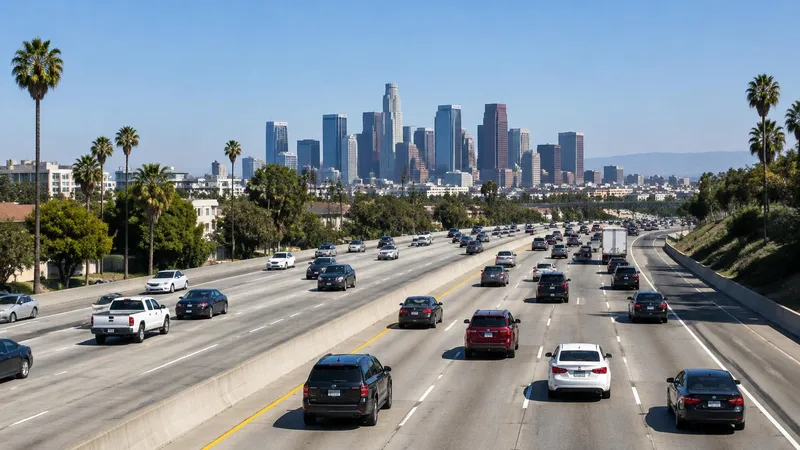
Los Angeles is built around its freeways. The 405, 10, 101, 110, and 5 carry millions of drivers every day, often at high speeds and in dense traffic. When a crash happens, the minutes and days that follow can feel overwhelming, but they also set the foundation for any insurance claim or lawsuit. Knowing what to do, and what to avoid, can make a major difference to your health and your financial recovery.
At the Scene: Safety Comes First
The first priority after a freeway collision is safety. If the vehicles can be moved and you are able to do so safely, pull onto the shoulder. Turn on your hazard lights, and if you cannot move the car, stay inside with your seat belt on until help arrives, unless there is a fire or another immediate danger. Standing in a travel lane or between cars on a busy freeway is extremely dangerous.
Call 911 right away to report the crash and any injuries. Freeway collisions in California are typically handled by the California Highway Patrol, whose officers will respond, manage traffic, and prepare a report. Ask for the report number before you leave, since you will need it later.
Even if you feel fine, accept medical evaluation. Adrenaline can hide pain, and injuries such as whiplash, concussions, and internal bleeding may not show symptoms for hours or days. Prompt care protects your health and creates a record linking your injuries to the crash.
Gathering Evidence Without Making Mistakes
If you can safely do so, document the scene. Take photographs of all vehicles, license plates, skid marks, debris, and road conditions. Capture the lane layout, nearby signs, and any construction zones, since road design can sometimes contribute to a crash. Collect names, phone numbers, and insurance details from the other drivers, along with contact information for any witnesses.
Be careful with your words. It is natural to say you are sorry, but statements at the scene may be quoted later as an admission of fault. Stick to the facts, cooperate with officers, and avoid guessing about speed, distance, or what you saw. California applies a pure comparative negligence system, which means your compensation can be reduced by your share of responsibility, so even small comments can matter.
Write down what happened as soon as you can. Memory fades quickly, and notes written the same day can help you recall details such as traffic flow, lighting, and the moments before impact.
Reporting and Insurance Steps
California has reporting rules that many drivers overlook. If a crash causes injury or death, or property damage above $1,000, drivers generally must report it to the California Department of Motor Vehicles within 10 days, regardless of who was at fault. Failing to file can lead to license suspension, so mark the deadline on your calendar.
Notify your own insurer promptly, but be careful with the other driver's insurance company. Adjusters may call quickly, sound friendly, and ask for a recorded statement. You are not required to provide one, and doing so before you understand your injuries can hurt your claim. Keep your communication brief and factual, and avoid signing releases or accepting early settlement offers.
Keep every record. Save medical bills, repair estimates, rental car receipts, pay stubs showing missed work, and any correspondence with insurers. A simple folder, physical or digital, helps you organize evidence and avoid gaps.
Deadlines and Special Situations
In California, most personal injury lawsuits must be filed within two years of the injury. If a government entity may share fault, such as a city or the state transportation agency responsible for a dangerous roadway, the deadline can be much shorter. Claims against public entities usually require a formal notice within six months, which surprises many injured drivers.
Freeway crashes can also involve hit and run drivers, uninsured motorists, and multi vehicle pileups where responsibility is unclear. Uninsured motorist coverage on your own policy can help in these situations, but it is important to review the terms and notify your insurer on time.
A representative of Omega Law noted that people often delay seeking advice until after the insurance company has already framed the story. Speaking with one of the Los Angeles car accident attorneys at an early stage can help you understand your rights, preserve evidence, and avoid common mistakes before important deadlines pass.
A serious crash can disrupt your work, your finances, and your family routines. Follow your doctor's treatment plan, attend follow up appointments, and keep a simple journal of pain levels and limitations. These notes help show how the injury affects daily life.
Los Angeles drivers cannot control every risk on the road, but they can control how they respond after a collision. A calm, organized approach that puts safety first, gathers evidence, and respects deadlines gives you the best chance of a fair outcome.