Plans have surfaced for a new tech-backed community in Northern California, this time in the Sonoma County city of Cloverdale. The project, named "Esmeralda," aims to develop a "walkable, compact village" within the city's existing limits, presenting a different approach from the controversial "California Forever" plan to build an entirely new city in neighbouring Solano County.
The proposed development is led by tech entrepreneur Devon Zuegel, the Stanford-educated founder of GitHub Sponsors, a platform for funding open-source software. While not formally affiliated with California Forever, Esmeralda shares its roots in the tech industry's growing interest in real estate and urban planning, representing a new chapter in Silicon Valley's efforts to shape the future of Californian communities.
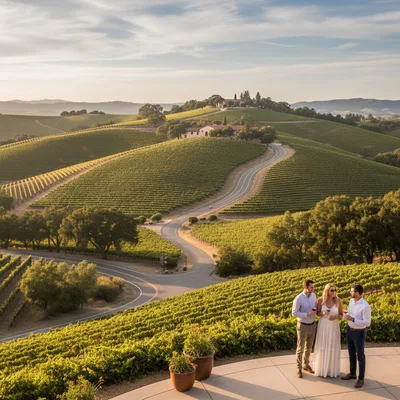
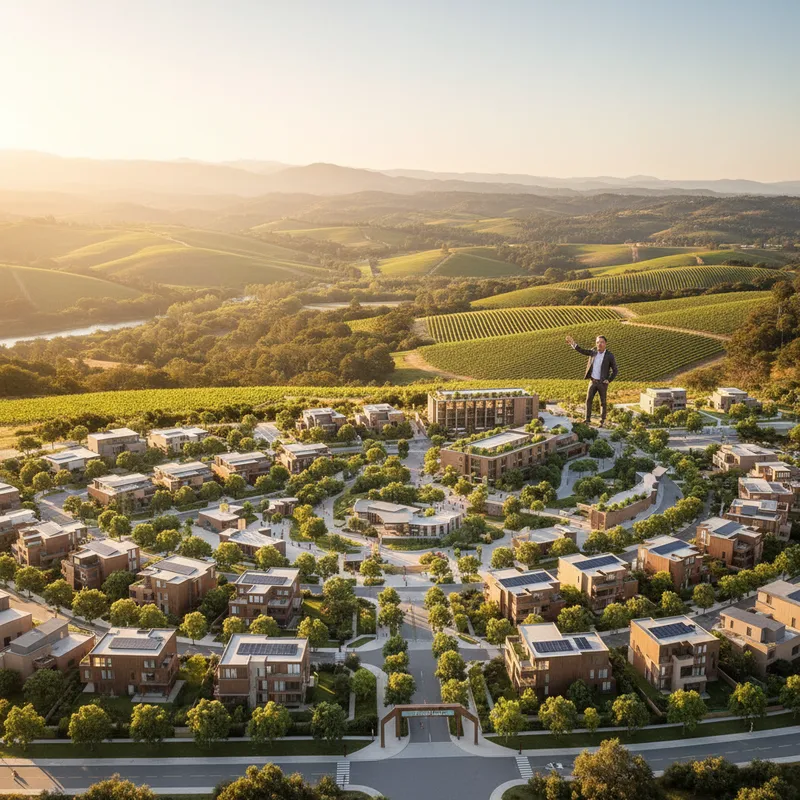
The project would be situated on a 266-acre site in Cloverdale that overlooks the Mayacamas Mountains. According to the project's website, the land has already been approved for development for the past 20 years, though it has remained undeveloped. The new vision for the site is ambitious, calling for up to 605 housing units, a flagship hotel, commercial office and retail space, a private golf course, and designated areas for light industrial use.
A community inspired by Chautauqua
The philosophical inspiration for Esmeralda comes from an unconventional source: the community of Chautauqua in western New York. Chautauqua is renowned for its pedestrian-only centre and its long-running summer season of arts, education, and public lectures, a model Esmeralda's backers hope to emulate in spirit. The Chautauqua Institution has operated for nearly 150 years as a hub for cultural and intellectual exchange.
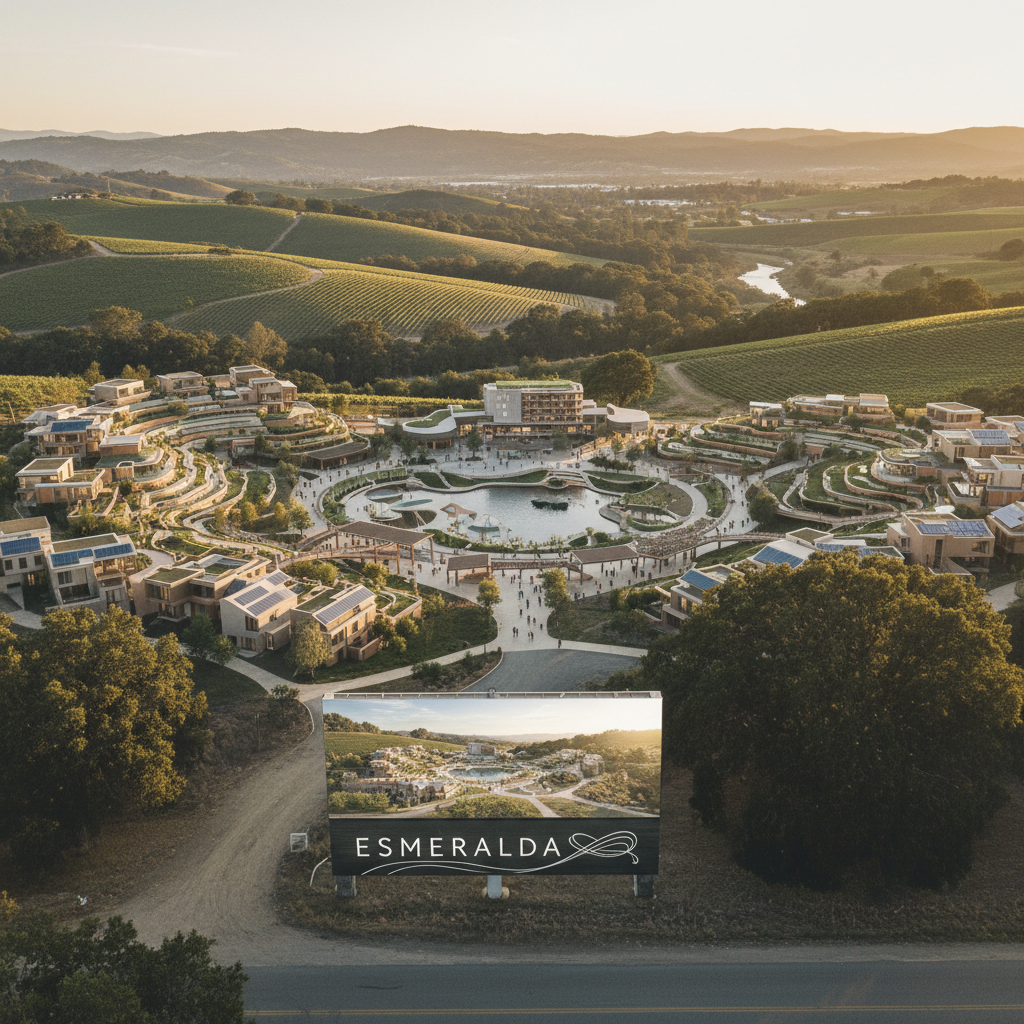
"Our vision is to build walkable, compact village made up of an extraordinary resort hotel, vibrant community-oriented piazza, up to 605 residences, community event spaces, and a publicly-accessible open space network filled with trails, playgrounds, and sports field,” the project’s website states. This suggests a focus on creating a tight-knit community with ample public amenities, a key tenet of the 'new urbanism' movement.
This style of development contrasts sharply with the suburban sprawl that has defined much of California for decades. By integrating housing, commerce, and recreation in a dense, walkable layout, the project aims to reduce car dependency and foster a more connected neighbourhood. This model is increasingly being explored as a potential solution to the state's intertwined housing and climate crises.
The broader trend of tech-funded towns
Esmeralda is the latest example of a growing trend where immense wealth generated by the technology sector is being channelled into ambitious real estate and urban development projects. The most prominent of these is California Forever, a multi-billion-dollar project backed by a roster of Silicon Valley billionaires that secretly acquired over 50,000 acres of farmland in Solano County with the dream of building a new city from the ground up.
These projects are often championed as innovative solutions to California's chronic housing shortage and soaring cost of living. Proponents argue they can build housing faster and more efficiently than traditional developers, incorporating modern sustainability and design principles. However, they also raise complex questions about equity, governance, and the role of private interests in shaping public life. Proposals for new forms of funding public services, such as a billionaire tax, often circulate in tandem with discussions about these large-scale private developments.
Critics express concern that these tech-funded towns could become exclusive enclaves for the wealthy, further exacerbating social and economic divides. The high-minded ideals of utopian communities have a long and often troubled history, with many failing to live up to their lofty goals. Whether these new ventures can succeed where others have failed remains a subject of intense debate.
Impact on Cloverdale and Sonoma County
Unlike the California Forever project which is being planned on rural land, Esmeralda would be built within the city limits of Cloverdale, a town of about 8,900 people at the northern end of Sonoma County. The development could significantly alter the character and economy of the city, which is known for its more rustic feel compared to tourism hubs like Healdsburg and Sonoma.
The addition of over 600 homes and a major hotel would bring a substantial influx of new residents and visitors. This could provide a significant economic boost, supporting local businesses and creating new jobs. The project's location in the heart of wine country offers clear synergies with the region's primary industry. Sonoma County is home to some of California's best wineries, and a new resort could attract a fresh wave of tourism, similar to how Open Christchurch prepares for thousands of visitors.
However, such a large-scale development also presents challenges. It could place a strain on existing infrastructure, including schools, roads, and water supplies. There are also concerns it could drive up housing costs in Cloverdale, potentially displacing long-time residents. The process of integrating a large, master-planned community into the existing fabric of a small city will require careful planning and extensive community engagement, similar to efforts in other regions to strengthen community ties through diverse new developments, as seen at Australia's Claremont Showground.
The path forward
The backers of Esmeralda are aiming to get the revised development plan approved by the city of Cloverdale sometime this summer. This represents a critical first step in a long and complex process. Given that the site has been approved for development for 20 years without any construction, the current proposal will likely face intense scrutiny.
If the plan is approved, it would still take several years for environmental reviews, financing, and final permits to be secured before any ground is broken. The project's success will depend on its ability to navigate these regulatory hurdles while winning the support of the local community.
For now, Esmeralda remains a vision. Its progression will be watched closely as a test case for a new model of development in California, one where tech industry leaders attempt to apply their ethos of innovation to the very structure of our cities. The project's approval this summer would mark a significant milestone, but the first residents of this proposed utopian village are still many years away from moving in.